
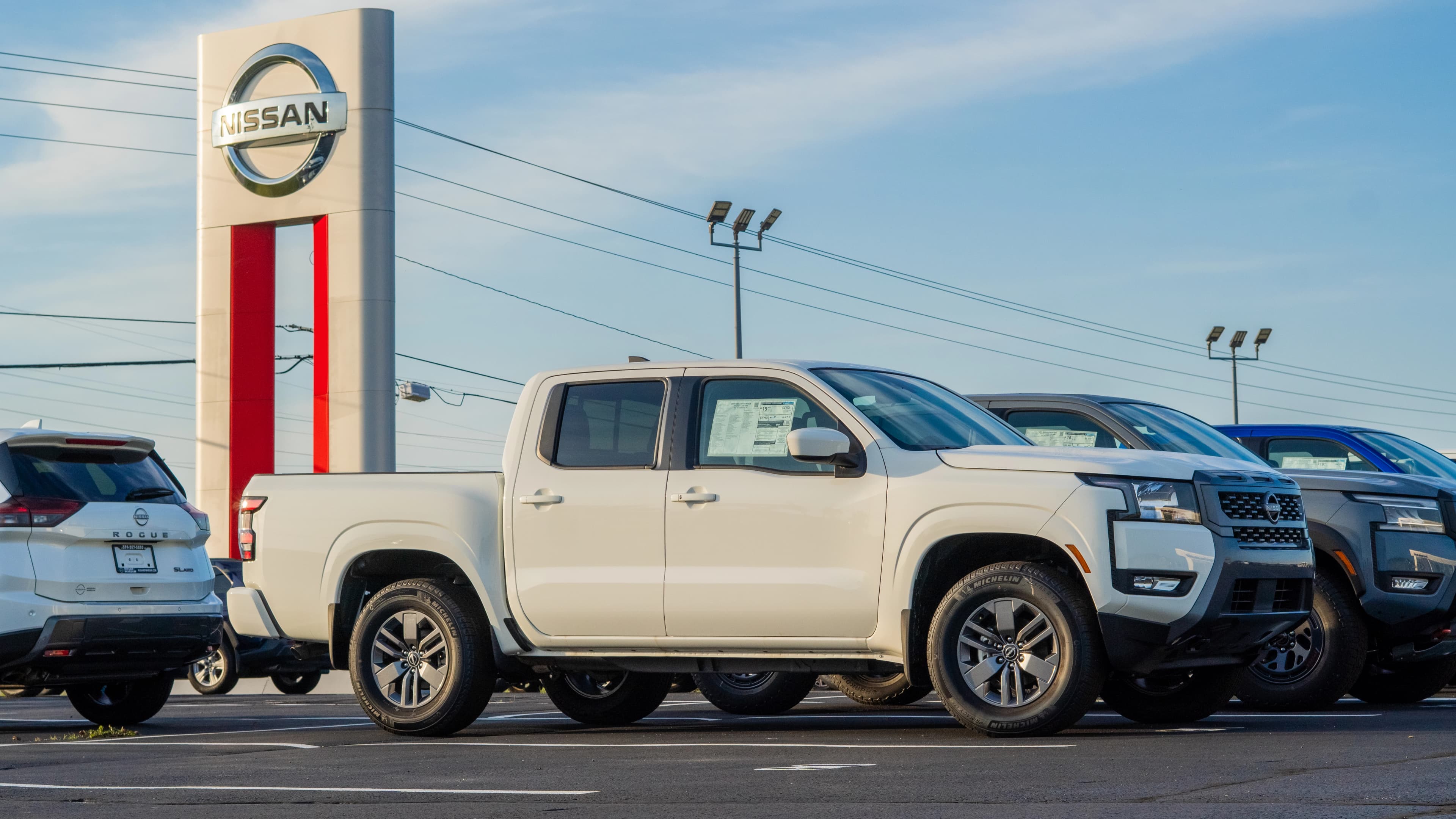
Nissan Warsaw, one of Coleman Automotive’s franchise locations. Multi-store groups achieve operating efficiencies that single-store operators cannot match. Photo: Sweet Dreams US LLC
Automotive Consolidation in 2026: Why Dealership Groups Are the Future of Auto Retail
The era of the single-store operator is ending. The groups that consolidate intelligently will define the next generation of automotive retail.
Automotive retail consolidation is not a forecast. It is a fact in progress. In 2024, the U.S. franchise dealership buy-sell market recorded 438 completed transactions, a 10% increase over the previous record set in 2023. The number of dealer principals actively planning to sell has increased 258% since 2022. And the total count of individual dealership owners in America continues its decades-long decline, from roughly 40,000 in the 1930s to approximately 8,000 today.
The question is not whether consolidation will reshape automotive retail. It is who will lead it, how quickly it will accelerate, and where the investment returns will concentrate. For accredited investors, the consolidation wave represents one of the clearest structural opportunities in alternative investing today.
Three Forces Driving Consolidation
The consolidation trend is powered by three forces operating simultaneously. The first is the generational succession crisis. Most franchised dealerships in America are still family-owned, and the majority of founding owners are in their seventies and eighties. Their children, facing the operational intensity and capital demands of modern auto retail, are choosing professional careers and personal liquidity over business inheritance at rising rates.
The second force is manufacturer facility mandates. Every major manufacturer has imposed or is planning facility upgrade programs that require dealers to invest millions in brand-conforming showrooms, EV charging infrastructure, and digital retailing technology. For a single-store operator doing $30 million in annual revenue, a $3 million to $5 million facility mandate represents a capital commitment that may not produce a return within their remaining ownership horizon. The rational response is to sell.
The third force is technology cost. Modern dealership operations require CRM systems, digital advertising platforms, BDC operations, AI-enabled lead management, predictive inventory analytics, and cybersecurity infrastructure. These systems have fixed costs that a fifty-store group can amortize across its portfolio, but that a single-store operator bears alone. The technology gap between large groups and small operators widens every year, creating a competitive disadvantage that accelerates the motivation to sell.
Why Mid-Market Consolidators Have the Structural Advantage
The publicly traded dealership groups — AutoNation, Lithia, Penske, and others — dominate industry headlines, but they represent a small fraction of total dealership count. Their acquisition strategies are focused on large, metro, high-revenue stores that command premium multiples. The vast middle market of single-point and small-group dealerships in secondary and rural communities remains fragmented, underserved by institutional buyers, and priced at significantly lower multiples.
This is where mid-market consolidators like Coleman Automotive Group operate. The strategic advantage is precise: acquire stores at 3x to 5x adjusted earnings in markets where public consolidators do not compete, implement a standardized operational playbook that lifts margins across all four profit centers, and build a portfolio that generates economies of scale in technology, training, parts procurement, and advertising. The return mathematics of mid-market consolidation are fundamentally different from the premium-priced acquisitions that public groups pursue.
The Network Effect of a Growing Group
Each dealership added to a well-managed group creates value that extends beyond the individual store. Parts can be transferred between locations rather than ordered from the manufacturer at higher cost and longer lead times. Top-performing managers can be developed at one store and deployed to newly acquired locations. Advertising spend can be consolidated across regional markets. Floor plan financing terms improve as the group’s aggregate financial profile strengthens. These network effects do not exist for a single-store operator, and they compound as the group grows.
For investors in the Prime Dealer Equity Fund, this consolidation dynamic means that each new acquisition has the potential to increase the value of the existing portfolio, not just add a standalone asset. The fund participates in a strategy where growth itself generates returns — a compounding effect that single-asset investments cannot deliver.
The Window for Consolidation Capital
The current environment is unusually favorable for consolidation capital. Seller motivation is at a historic high. Purchase multiples in the mid-market remain reasonable relative to the cash flow being acquired. Manufacturer approval processes favor experienced operators with proven track records. And the competitive landscape for acquisition capital — while growing — remains far less crowded than multifamily, self-storage, or private credit, where capital oversupply has compressed returns to levels that barely exceed risk-free rates.
The consolidation of American automotive retail will happen regardless of whether any individual investor participates. The structural forces are too powerful. The question is whether the investor’s capital will be part of the wave or watching from the shore.
Prime Dealer Equity Fund is a private equity vehicle co-investing with Coleman Automotive Group in the acquisition and optimization of automotive dealerships across the United States.
For qualified investor inquiries:
→ Contact our investor relations team