
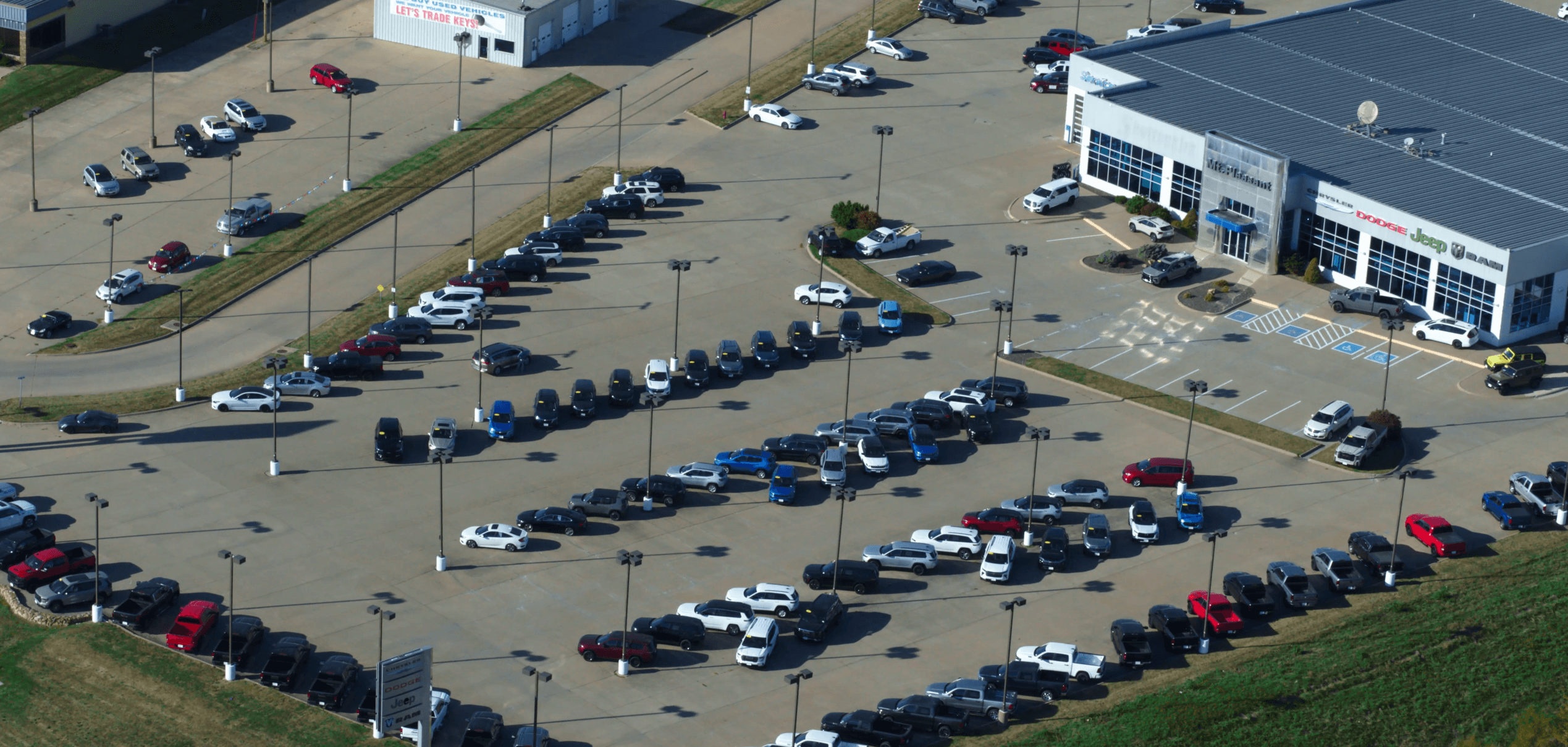
A dealership is not just a building — it is a protected, cash-flowing business ecosystem anchored to prime real estate. Photo: Sweet Dreams US LLC
Beyond Cap Rates: Why Auto Dealerships Are the New Hard Asset for Real Estate Investors
For investors who value hard assets, auto dealerships offer more than real estate. Discover the hidden value, high barriers to entry, and strong cash flows.
As an accredited investor, your portfolio strategy is likely built on a foundation of hard assets. For many, this means real estate. You understand the power of owning a physical building, the predictable cash flow of rent, and the long-term appreciation of the land beneath it. You speak in "cap rates" and "NOI." But what if there was an asset class that combined the security of prime real estate with the high-margin cash flow of a complex operating business, all protected by barriers to entry that make real estate look like an open market?
The Anatomy of a Dealership's Value
When a real estate investor looks at a car dealership, they see a single-tenant, special-purpose building on a large parcel of land. They might try to calculate a cap rate based on an estimated rent, but this misses the entire picture. The building is only one piece of the value stack.
1. The Real Estate
This is your comfort zone. Dealerships occupy prime commercial real estate, often on major arterial roads with high visibility and traffic. This land and the physical structure have significant, tangible worth.
2. The Franchise Rights
This is the first, and most critical, differentiator. A franchise agreement with a major OEM (like Ford, Toyota, or BMW) is a hard, intangible asset. It is a license to sell and service vehicles in a protected, often exclusive, territory. You cannot simply build a new dealership across the street, the manufacturer forbids it. This right alone is a multi-million dollar asset that creates an economic moat real estate lacks.
3. The "Blue Sky" (Goodwill)
This is the operational value of the business. It is the proven cash flow from multiple, high-margin profit centers: the service department, the parts department, the finance and insurance (F&I) office, and the used car operation. This "blue sky" is not wishful thinking, it is the capitalized value of a durable, in-place cash flow stream.
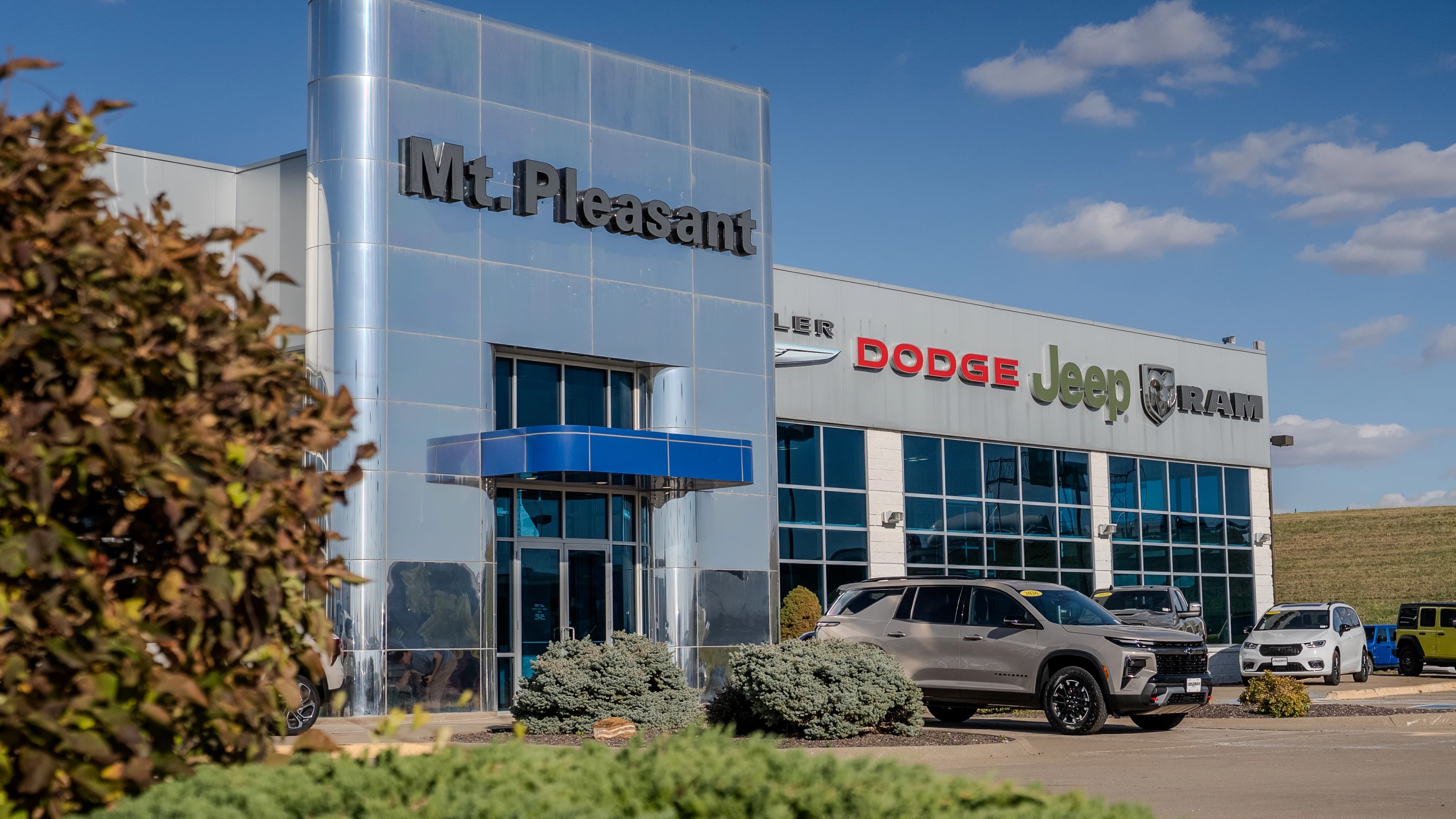
A Superior Moat: Why Dealerships Are More Defensible
In real estate, competition is a constant. If you own a successful apartment building, someone can build another one right next door, driving down your rents. If you own a commercial property, your tenant can leave. The auto dealership model is structurally more defensible.
Immense Barriers to Entry
OEM Approval: No one can buy a dealership without the express, written approval of the manufacturer. These OEMs have incredibly strict requirements for capital, character, and operational experience. Massive Capital Requirements: Acquiring a dealership involves buying the real estate, the franchise rights, the parts, and the vehicle inventory. This is a capital-intensive business, pricing out nearly all small-scale competitors. Territorial Protection: As mentioned, the franchise agreement protects your territory. This is a level of anti-competitive protection that simply does not exist in traditional real estate investing.
By the Numbers
Barriers to Entry That Protect Your Investment
OEM Approval — No one can buy a dealership without the express, written approval of the manufacturer, who imposes strict requirements for capital, character, and operational experience.
Massive Capital Requirements — Acquiring a dealership means buying the real estate, the franchise rights, the parts, and the vehicle inventory, pricing out nearly all small-scale competitors.
Territorial Protection — The franchise agreement protects your territory, a level of anti-competitive protection that simply does not exist in traditional real estate investing.
Re-Thinking Cash Flow and Appreciation
Real estate investors are focused on rent. A dealership's cash flow is dynamic and multi-layered. The sales of new and used cars are the most visible part, but the service and parts departments are the consistent, non-cyclical engine.
From the Floor
“A dealership's service department functions like a high-demand, triple-net tenant that can never leave. Every car the dealership sells, and every car of that brand in the area, becomes a recurring customer for high-margin, non-discretionary service. This creates a baseline of predictable, recession-resistant cash flow that is far more stable than rent from a single tenant.”
— Prime Dealer Equity Fund
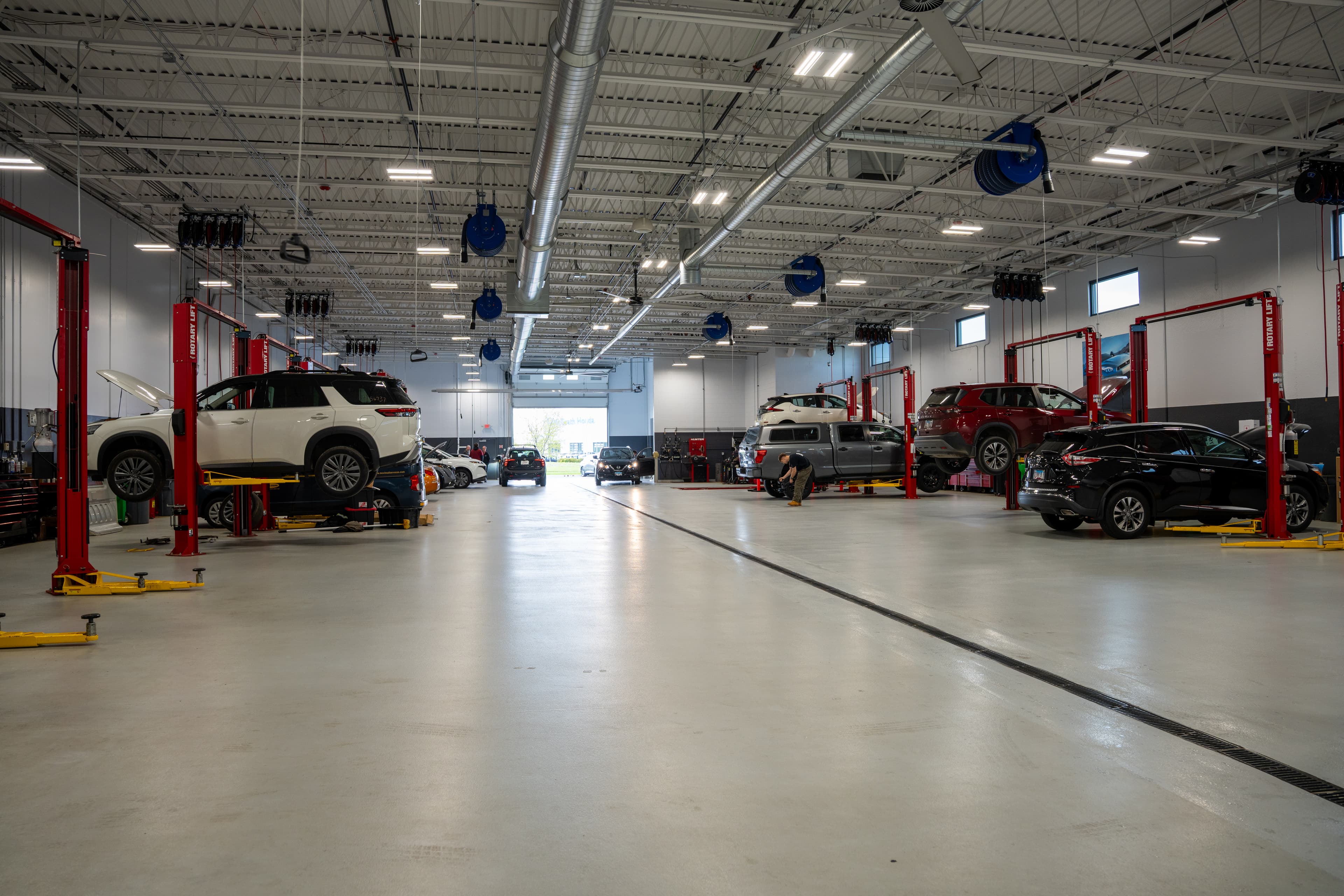
Appreciation in real estate is tied to market forces. Appreciation in a dealership is twofold: the underlying real estate appreciates, and the "blue sky" value can be dramatically increased by a strong, professional management team that improves operational efficiency.
For the accredited investor who values hard assets, it is time to expand the definition. An auto dealership is not just a building, it is a protected, cash-flowing business ecosystem anchored to prime real estate. The complexity and capital requirements that keep most investors out are the very things that create the opportunity. Partnering with a specialized private equity fund provides the gateway, offering the necessary OEM relationships, operational expertise, and capital scale to access this compelling asset class.
Prime Insight
Prime Dealer Equity Fund gives accredited investors access to institutional-quality automotive dealership investments — combining hard-asset real estate security with high-margin operating cash flow.
Connect with our team to learn how the fund fits your portfolio.
Prime Dealer Equity Fund is a private equity vehicle co-investing with Coleman Automotive Group in the acquisition and optimization of automotive dealerships across the United States.
For qualified investor inquiries:
→ Contact our investor relations team