
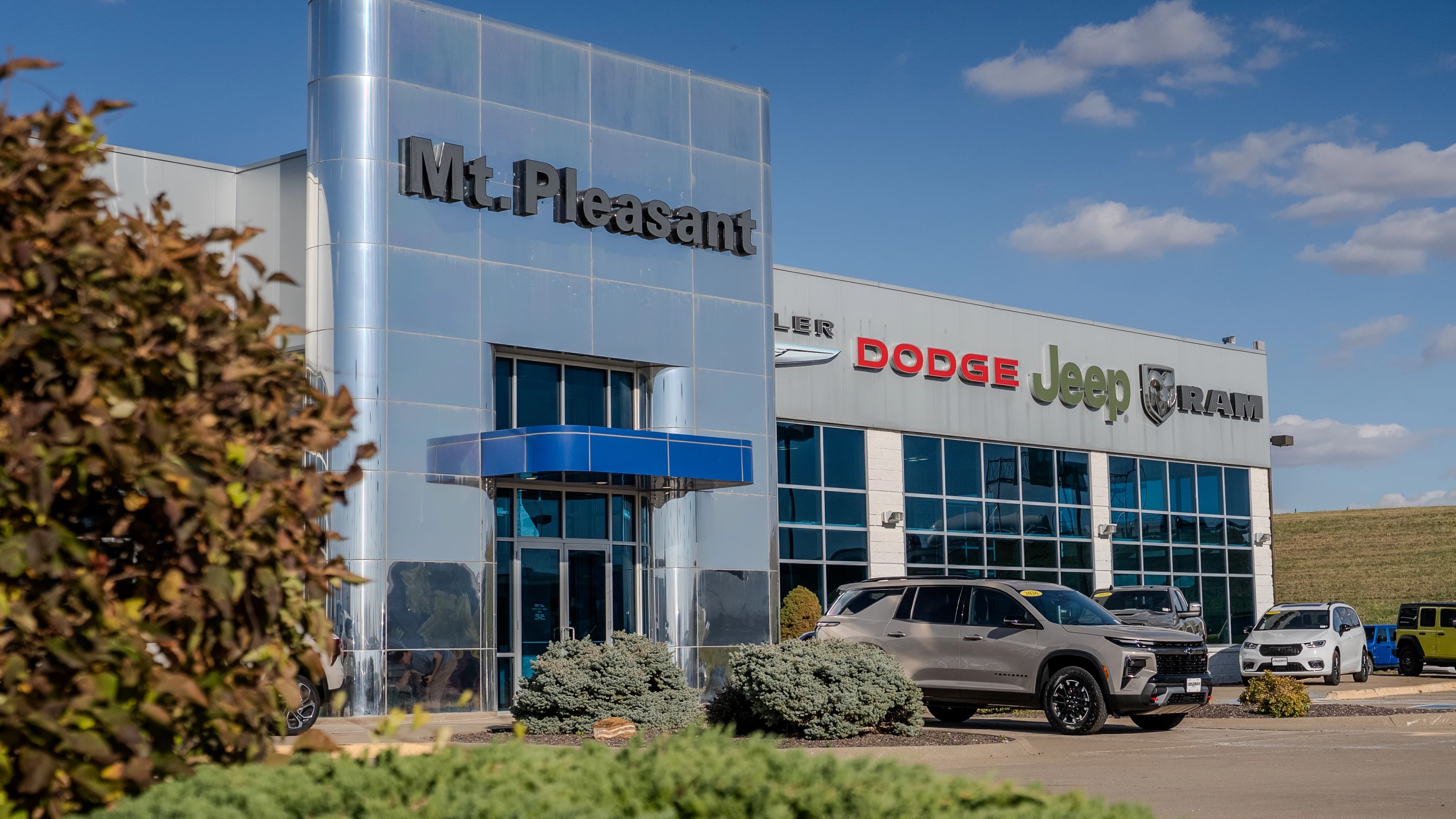
Dealership real estate — a protected, essential-industry CRE asset. Photo: Sweet Dreams US LLC
Beyond Strip Malls: Why Auto Dealership Real Estate Is Your Next CRE Play
Discover why accredited investors are moving from strip malls to auto dealership real estate for better returns, tax benefits, and portfolio stability.
The commercial real estate landscape is shifting beneath our feet. For decades, the strip mall and the office park were the crown jewels of a diversified portfolio. However, market saturation and changing consumer habits have eroded the reliability of those assets. If you are looking for stability, you need to look where the underlying business model is essential, legislative-protected, and highly capitalized. Enter auto dealership real estate. This is not just about parking lots.
The Structural Advantage of Triple Net Lease Investments
When you invest in commercial real estate alternatives, the lease structure is just as vital as the location. Auto dealership real estate frequently operates under triple net lease investments (NNN). This is a specific setup where the tenant handles property taxes, insurance, and maintenance costs.
By the Numbers
What the NNN Structure Delivers
Predictable Income — you are not worrying about a leaking roof or rising insurance premiums eating into your yield; the dealership covers these operational expenses.
Tenant Quality — unlike a fluctuating retail strip center with high turnover, auto dealerships are often operated by large, well-capitalized regional or national groups with strong balance sheets.
Long-Term Commitment — dealerships invest millions into their facilities and are not going to move when the lease expires in five years; these are long-term occupants committed to the physical location.

Zoning and Franchise Laws Protect Your Capital
One of the most overlooked aspects of accredited investor CRE strategy is the barrier to entry. If you own a strip mall, a developer can buy the lot across the street and build a newer, nicer strip mall, effectively stealing your tenants. That scenario is nearly impossible in the auto sector.
Geographic Exclusivity
Auto manufacturers grant strict territory rights to their franchisees. A Ford dealer, for example, has a protected radius where no other Ford dealer can open. This creates a natural monopoly within that specific geography. When you own the real estate housing that franchise, you own a protected asset.
Zoning Complexity
Getting approval to build a new dealership is incredibly difficult. It requires acres of land, specific zoning permits, and rigorous environmental approvals. These high barriers to entry insulate existing locations from new competition. Your investment is protected by the very bureaucracy that makes development difficult for others.
Capitalizing on Historic Industry Consolidation
The “Mom and Pop” dealership is rapidly becoming a thing of the past. We are witnessing a massive wave of consolidation where large private equity firms and public dealer groups are acquiring smaller stores. This shift drives up the value of the underlying real estate.
The Investor Opportunity
When a large group acquires a dealership, they often want to separate the operating business from the real estate assets to free up capital for more acquisitions. This is where the opportunity for sale-leaseback transactions arises. Increased Corporate Credit: The tenant paying the rent is now a large corporation rather than a family business. Standardized Leases: Large groups prefer standardized, clean lease terms that are attractive to investors. Operational Efficiency: These groups run tighter ships, ensuring the business remains profitable and the rent keeps getting paid.
A Hedge Against Market Volatility
While e-commerce has devastated traditional retail, the auto industry has proven resilient. People still want to test drive cars. More importantly, the service department, which is the economic engine of any dealership, cannot be digitized. You cannot change oil or rotate tires over the internet. This service component provides a recession-resistant revenue stream that keeps the tenant solvent even during economic downturns.
Securing Your Portfolio's Future
Diversification is the only free lunch in investing. Relying solely on multifamily units or office space exposes your portfolio to specific sector risks that are becoming harder to ignore. Auto dealership real estate offers a compelling alternative that combines the passive income benefits of triple net leases with the security of a protected, essential industry. By moving capital into this space, you are not just buying land. You are buying into a legislative and operational fortress.
Prime Insight
Prime Dealer Equity Fund gives accredited investors access to institutional-quality automotive dealership investments — combining hard-asset real estate security with high-margin operating cash flow.
Connect with our team to learn how the fund fits your portfolio.
Prime Dealer Equity Fund is a private equity vehicle co-investing with Coleman Automotive Group in the acquisition and optimization of automotive dealerships across the United States.
For qualified investor inquiries:
→ Contact our investor relations team