
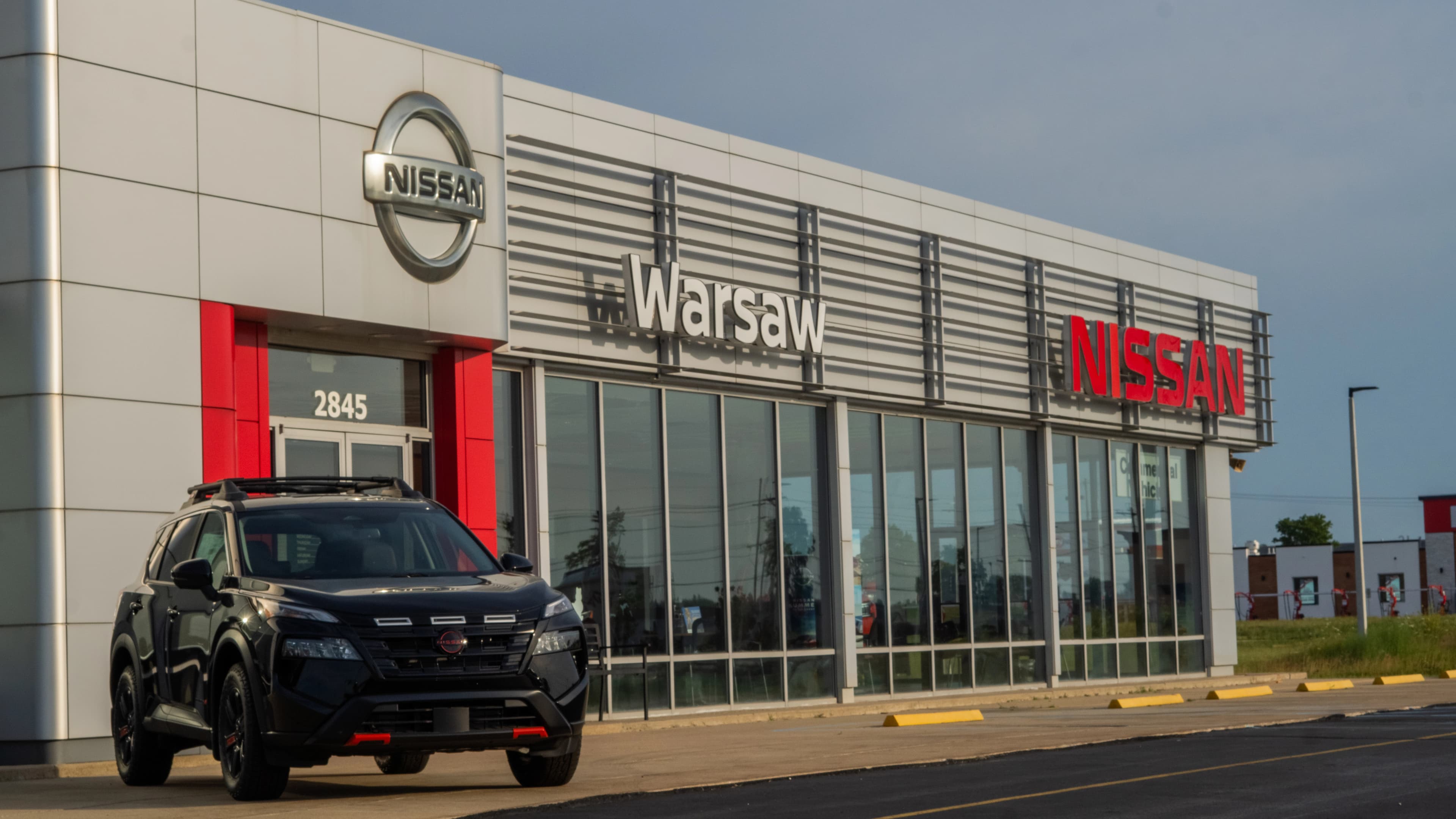
Auto dealership real estate offers a specialized alternative to traditional CRE. Photo: Sweet Dreams US LLC
Car Dealerships vs. Commercial Real Estate: An Investor’s Guide
Explore car dealership vs commercial real estate investment strategies. Discover superior cap rates and stability in auto properties compared to CRE.
Investors often view Commercial Real Estate (CRE) as the bedrock of a diversified portfolio. We see skyscrapers, strip malls, and warehouses as the gold standard for passive income. However, the landscape is shifting. Traditional asset classes like office space are facing unprecedented volatility due to changing work trends and evolving consumer behaviors. This is where the savvy investor looks closer at specialized niches. When evaluating car dealerships vs commercial real estate, a compelling picture emerges.
The Yield Differential: Auto Dealership Cap Rates and Cash Flow
When evaluating commercial real estate alternatives, the capitalization rate — or cap rate — is the primary metric for determining potential return on investment. Traditional sectors like multifamily housing or Class A office space have seen cap rates compress significantly in recent years. This compression squeezes yields and forces investors to accept lower returns for perceived safety. Conversely, auto dealership cap rates have historically remained attractive due to the specialized nature of the asset.
By the Numbers
The Yield Case for Dealership Real Estate
Higher Entry Yields — automotive properties often trade at higher cap rates than general retail due to the specific utility of the building, which translates to immediate, superior cash flow.
Absolute NNN Leases — many dealership investments are structured as triple net leases where the tenant pays for taxes, insurance, and maintenance, so the investor collects a clean check without the headache of property management.
Long-Term Lease Structures — it is common to see 15 or 20-year leases in this sector, locking in predictable revenue streams that outperform the shorter lease terms found in multi-tenant office buildings.
By focusing on these financial structures, accredited investors can secure a stronger position in their asset allocation strategy. This math simply works harder for you in this niche.

Tenant Stickiness and Zoning Moats
One of the greatest risks in real estate is vacancy. In a standard strip mall, a clothing retailer can pack up and leave in a weekend. Filling that vacancy can take months of marketing and significant capital for tenant improvements. Investing in auto dealership properties mitigates this risk through what we call “tenant stickiness.”
A car dealership is not just a showroom. It is a highly specialized facility requiring massive capital expenditure from the operator. They install hydraulic lifts, specialized ventilation systems for service bays, and compliant waste disposal systems. Once a dealer invests millions into a location, they are incredibly reluctant to move.
The Zoning Advantage
Cities are notoriously strict about where they allow auto dealerships to operate. Zoning boards rarely approve new dealership rows in established residential or light commercial zones. This creates a “moat” around existing properties. The supply of legally zoned land for auto sales is finite and shrinking, and competitors cannot simply build next door if the zoning does not exist. Because moving is logistically and legally difficult, renewal rates for dealership tenants are exceptionally high.
This structural reality makes the car dealership vs real estate investment debate lean heavily toward automotive for those seeking long-term security.
Recession Resistance Through Service Absorption
We must address the economic cycles. Critics often point to the cyclical nature of car sales. It is true that fewer people buy new cars during a recession. However, this argument misses the entire second half of the dealership business model: fixed operations.
Fixed operations refer to the parts and service departments. When the economy tightens, consumers delay buying new vehicles. Instead, they repair their existing ones. This counter-cyclical dynamic turns the service bay into a profit engine exactly when the sales floor slows down.
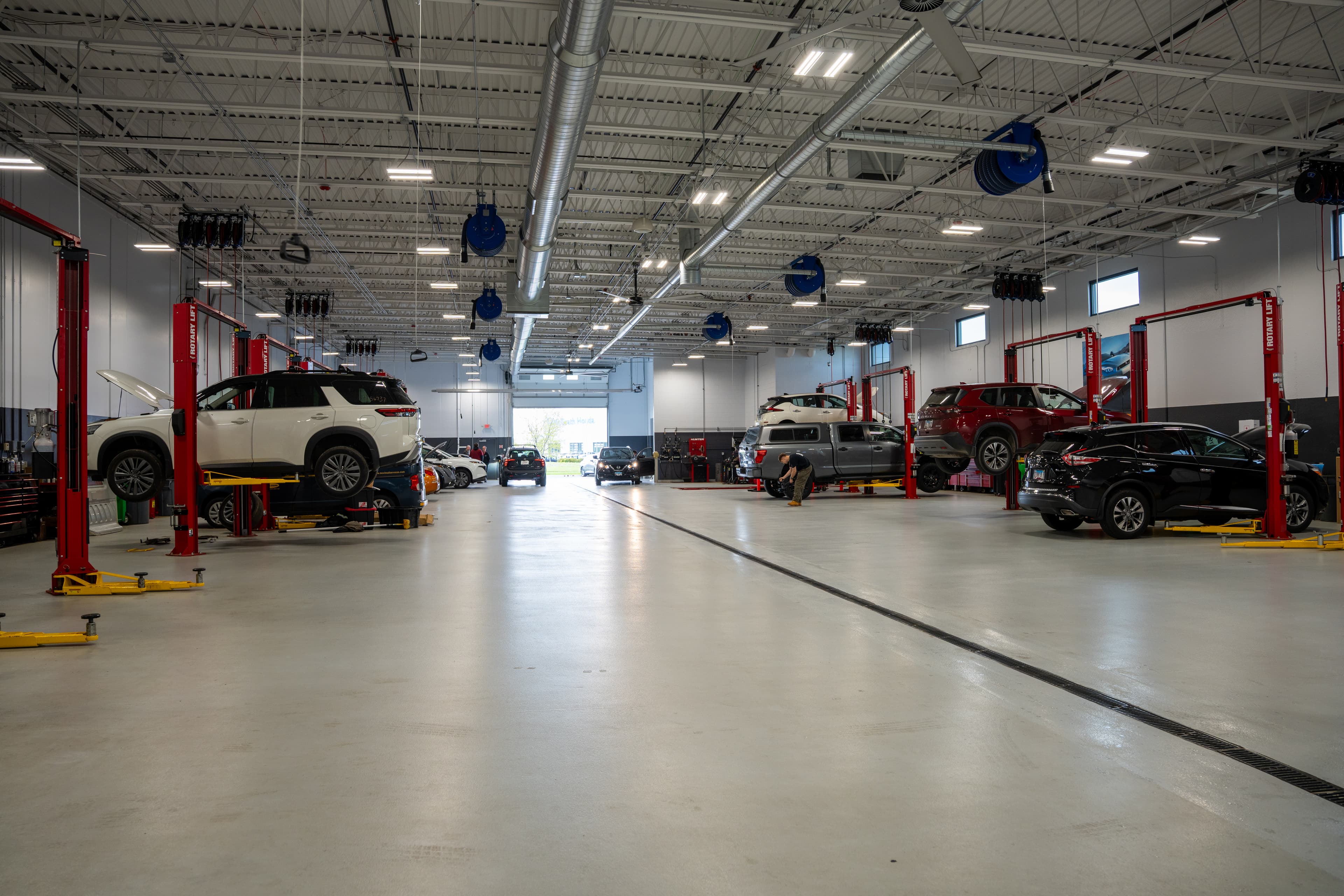
Service Absorption Rate: Maintaining Stable Investment Assets
This is a critical KPI in the industry. It measures how much of the dealership’s operating costs are covered by the profit from parts and service alone. Top-tier dealerships aim for 100% absorption. This means the service department pays the rent, the lights, and the salaries. Every car sold on the front end is pure profit.
Compare this to a standard office building. If a tenant’s business slows down, they might default on rent. If a car dealer’s sales slow down, their service bays get busier, ensuring they can still meet their lease obligations. This makes them highly stable investment assets even during market downturns.
Strategic Portfolio Diversification
For the accredited investor, the goal is never to put all eggs in one basket. You likely already have exposure to residential real estate or standard commercial indexes. Adding automotive real estate provides true diversification because it behaves differently than other property types.
The portfolio benefits are concrete. Decoupled performance means automotive real estate values are driven by different economic factors than residential housing markets. These investments also act as an inflation hedge — the real assets of land and buildings appreciate over time, while the NNN lease structures often include rent escalators that keep pace with inflation. Finally, like other real estate, these investments offer depreciation benefits that can offset income, a crucial tax-efficiency tool for high-net-worth individuals.
Final Thoughts for the Modern Investor
The comparison of car dealership vs real estate investment in traditional sectors reveals a clear opportunity for those willing to specialize. While apartment complexes and office towers fight for occupancy, auto dealerships stand on the solid ground of essential service and high barriers to entry. The combination of favorable auto dealership cap rates, sticky tenants, and recession-resistant business models creates a compelling case for inclusion in a sophisticated portfolio.
Prime Insight
Prime Dealer Equity Fund gives accredited investors access to institutional-quality automotive dealership investments — combining hard-asset real estate security with high-margin operating cash flow.
Connect with our team to learn how the fund fits your portfolio.
Prime Dealer Equity Fund is a private equity vehicle co-investing with Coleman Automotive Group in the acquisition and optimization of automotive dealerships across the United States.
For qualified investor inquiries:
→ Contact our investor relations team