
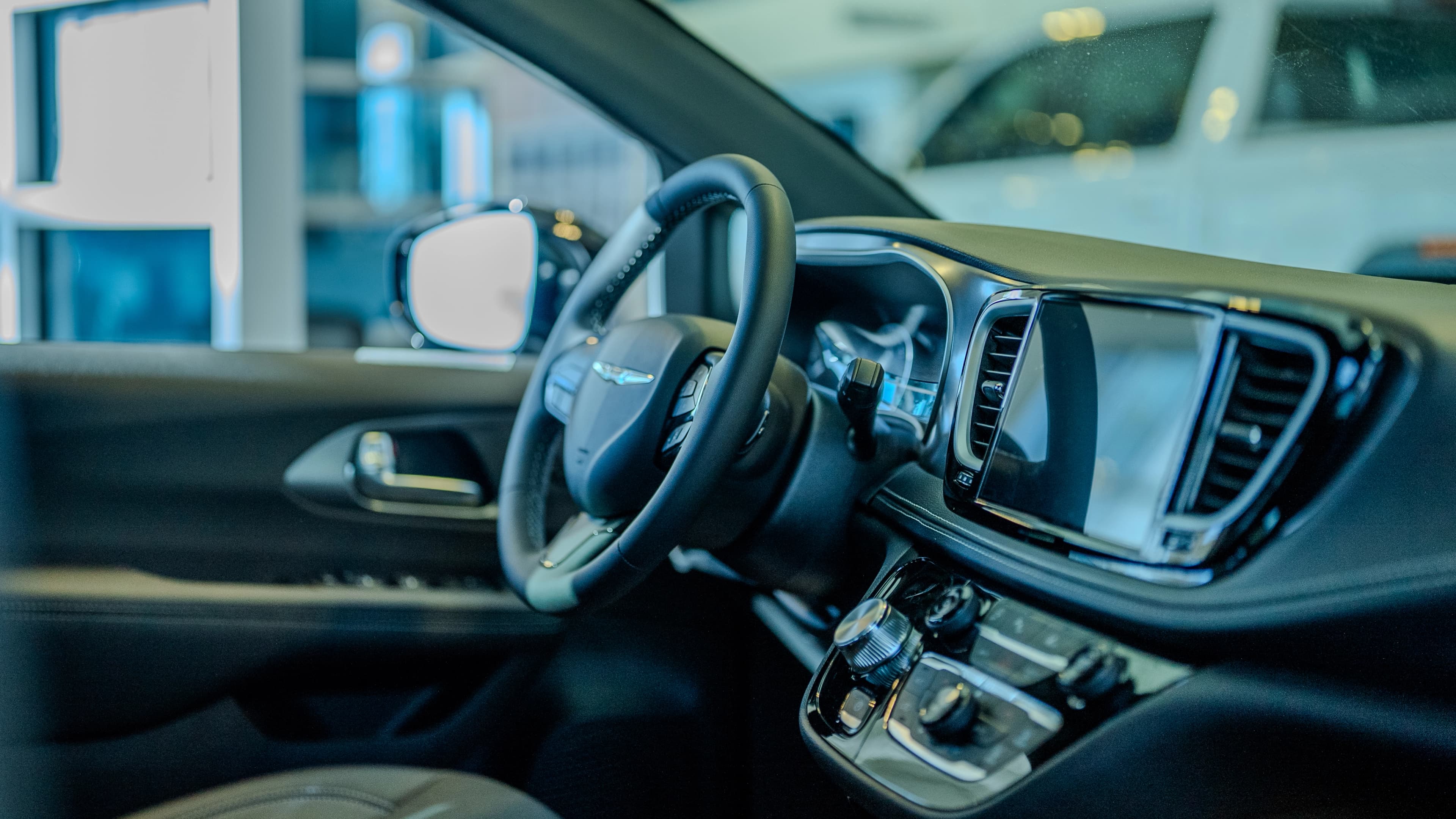
Interior of the Mt. Pleasant facility. Photo: Sweet Dreams US LLC
Inside the Coleman Automotive Playbook: How We Transform Dealerships After Acquisition
A systematic approach to fixed absorption, F&I optimization, and service department expansion.
The investment thesis behind the Prime Dealer Equity Fund rests on a simple premise: acquire underperforming franchise dealerships from retiring owners and apply a proven operational playbook to unlock the value that years of underinvestment have left on the table. The thesis is only as strong as the playbook. For investors evaluating a co-investment, understanding what happens in the first 90 days, six months, and 18 months after acquisition is essential.
Phase One: Stabilization (Days 1–90)
The first 90 days of any acquisition are focused on stabilization, not transformation. The priority is retaining existing employees, preserving customer relationships, and establishing operational baselines. Many family-owned dealerships have long-tenured employees who are deeply loyal to the previous owner. Losing those employees during a transition can cost the store institutional knowledge that takes years to rebuild.
During this phase, Coleman Automotive conducts a comprehensive operational assessment: staffing levels by department, technician certification status, parts inventory composition, service bay utilization rates, F&I product penetration, and customer satisfaction scores. This assessment creates the data foundation for every improvement decision that follows. No changes are made based on assumptions. Every change is driven by data.
Phase Two: Fixed Operations Optimization (Months 3–9)
The service department is always the first target for operational improvement because it produces the fastest, most predictable return on invested effort. The typical improvements include: hiring additional technicians to eliminate service bay idle time, expanding the parts inventory to reduce customer wait times and lost sales, extending service department hours to capture early-morning and Saturday demand, and implementing an express service lane for quick-turn maintenance items like oil changes and tire rotations.
Each of these improvements is measurable in real time. Technician hours billed, parts gross margin, customer pay repair order count, and warranty repair order count are tracked weekly. The goal is to drive fixed absorption from the typical family-store baseline of 55% to 65% up to 80% or higher within nine months. When that threshold is crossed, every dollar of vehicle sales gross becomes pure profit contribution because the service department is covering the entire fixed overhead.
Phase Three: F&I and Sales Process Enhancement (Months 6–12)
Once the service department is stabilized and trending upward, attention shifts to the F&I department and the vehicle sales process. F&I improvements typically include installing modern menu-selling software, retraining or replacing the F&I manager, establishing competitive lender relationships to maximize approval rates and financing spreads, and expanding the product menu to include items that the previous owner may not have offered.
On the sales side, improvements focus on used vehicle inventory management — ensuring the right mix of vehicles at the right price points, with optimal reconditioning costs and market-competitive pricing — and on digital marketing to expand the store’s reach beyond its immediate geographic territory. A dealership that was relying on walk-in traffic and local newspaper ads under the previous owner can significantly expand its customer base through targeted digital advertising and online inventory merchandising.
Phase Four: Sustained Growth (Months 12–24+)
By month 12, the operational improvements from the first three phases are producing measurable financial results. Fixed absorption is above 80%. F&I per-vehicle gross has increased by $500 to $1,000. The used vehicle department is turning inventory more efficiently and generating consistent gross margins. The store is operating as a professionally managed franchise rather than a family business in wind-down mode.
The sustained growth phase focuses on locking in these gains through process standardization, employee development, and facility improvements that enhance the customer experience. For investors in the Prime Dealer Equity Fund, this is the phase where the operational improvements translate into the distributable cash flow that supports the preferred return. The playbook is not magic. It is systematic, data-driven, and repeatable across every acquisition — which is precisely why it works.
Prime Dealer Equity Fund is a private equity vehicle co-investing with Coleman Automotive Group in the acquisition and optimization of automotive dealerships across the United States.
For qualified investor inquiries:
→ Contact our investor relations team