
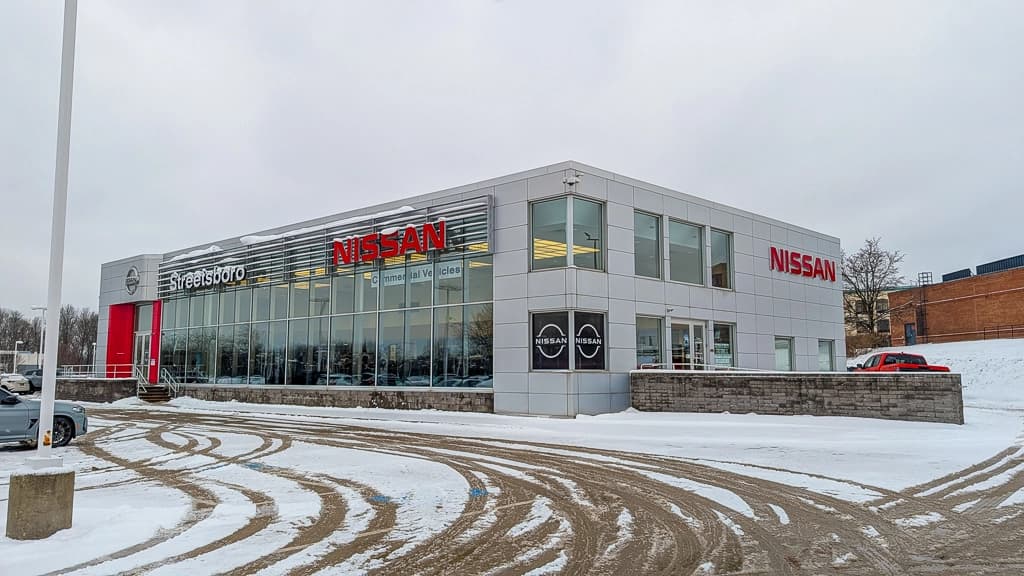
The Coleman Automotive team is built to acquire and integrate dealerships at the pace the generational transfer demands. Streetsboro team photo. Photo: Sweet Dreams US LLC
The Generational Transfer: Why Thousands of Dealerships Will Change Hands by 2030
The owners who built America’s franchise dealerships are retiring. Their children don’t want the business. The acquisition window is open — and it will not stay open forever.
The single most important macro trend in automotive retail is not electric vehicles, not autonomous driving, and not the shift to online car buying. It is the age of the people who own the dealerships.
The average franchised dealer principal in the United States is over 65 years old. Many are in their seventies. These are the entrepreneurs who built the businesses that dot the highways and main streets of every city, suburb, and small town in America. They acquired their franchises in the 1970s, 1980s, and 1990s, expanded through the boom years, survived the 2008 recession, weathered the pandemic inventory shortages, and now face a question they have been deferring for a decade: who takes over?
In previous generations, the answer was obvious — the son or daughter who grew up washing cars on the lot, worked the service drive through high school, and eventually took over as general manager before inheriting the franchise. The family succession model was the default. But the current generation of dealer children, overwhelmingly, is choosing a different path. They pursued professional careers, relocated to metropolitan areas, and have no interest in returning to the rural or suburban community where the dealership operates to run a business with 60-hour weeks and seven-day exposure.
The Scale of the Opportunity
The National Automobile Dealers Association (NADA) reports approximately 16,800 franchised dealerships in the United States. Industry estimates suggest that between 30% and 40% of these businesses will experience an ownership transition within the next five to seven years. That translates to roughly 5,000 to 6,700 dealerships changing hands — an unprecedented volume of transactions that dwarfs any prior M&A cycle in the industry’s history.
These are not distressed businesses. The majority are profitable, well-maintained operations with loyal customer bases, established service departments, and franchise agreements that have been in good standing for decades. They are coming to market not because they are failing, but because the people who run them are ready to stop. The seller is motivated by retirement, estate planning, and quality of life — not by financial distress. For a buyer with the operational expertise to maintain and improve these businesses, the deal flow is largely off-market, the valuations are rational, and the competition is surprisingly thin.
Why the Competition Is Thin
Institutional capital has been slow to recognize this opportunity for several reasons. The public dealership groups — AutoNation, Lithia, Penske, Group 1 — focus primarily on metro markets and large-scale acquisitions that move the needle on their consolidated financials. A single-point rural dealership generating $1.5 million in EBITDA is too small for their acquisition apparatus. Private equity firms without automotive operational expertise lack the industry relationships, the manufacturer approval pathways, and the management depth required to acquire and integrate dealerships successfully. And individual buyers face capital constraints that limit them to one or two transactions at most.
This creates a structural gap in the market — a segment of profitable, well-run dealerships that are too small for the public consolidators, too operationally complex for generalist private equity, and too capital-intensive for individual buyers. Coleman Automotive Group operates directly in that gap. The team has the operational expertise to evaluate and integrate acquisitions rapidly. The direct industry relationships to source deals that never reach the open market. And the Prime Dealer Equity Fund provides the capital structure to execute at a pace that matches the volume of opportunities coming to market.
Why the Window Will Close
The generational transfer is a finite event. The current cohort of retiring dealer principals will sell their businesses over the next five to ten years. Once those transactions are complete, the next generation of ownership — whether it is operator-investors like Coleman, public consolidators expanding their footprint, or private equity firms that eventually develop automotive expertise — will hold those franchises for decades. The acquisition multiples available today, driven by motivated sellers with retirement timelines, will be replaced by the valuation premiums demanded by institutional owners who have no urgency to sell.
For accredited investors evaluating the Prime Dealer Equity Fund, the generational transfer is not just a source of deal flow. It is the time-sensitive structural advantage that makes the entire investment thesis possible. The deals exist now because the sellers exist now. The operational team is built to execute now. And the fund is structured to deploy capital into this window while it remains open.
Opportunities with this combination of characteristics — motivated sellers, rational valuations, operational complexity that limits competition, and a proven operator ready to execute — do not persist indefinitely. The generational transfer will produce the most favorable dealership acquisition environment in the next half-century. The investors who participate in this cycle will own the assets that define the next era of automotive retail.
Prime Dealer Equity Fund is a private equity vehicle co-investing with Coleman Automotive Group in the acquisition and optimization of automotive dealerships across the United States.
For qualified investor inquiries:
→ Contact our investor relations team