
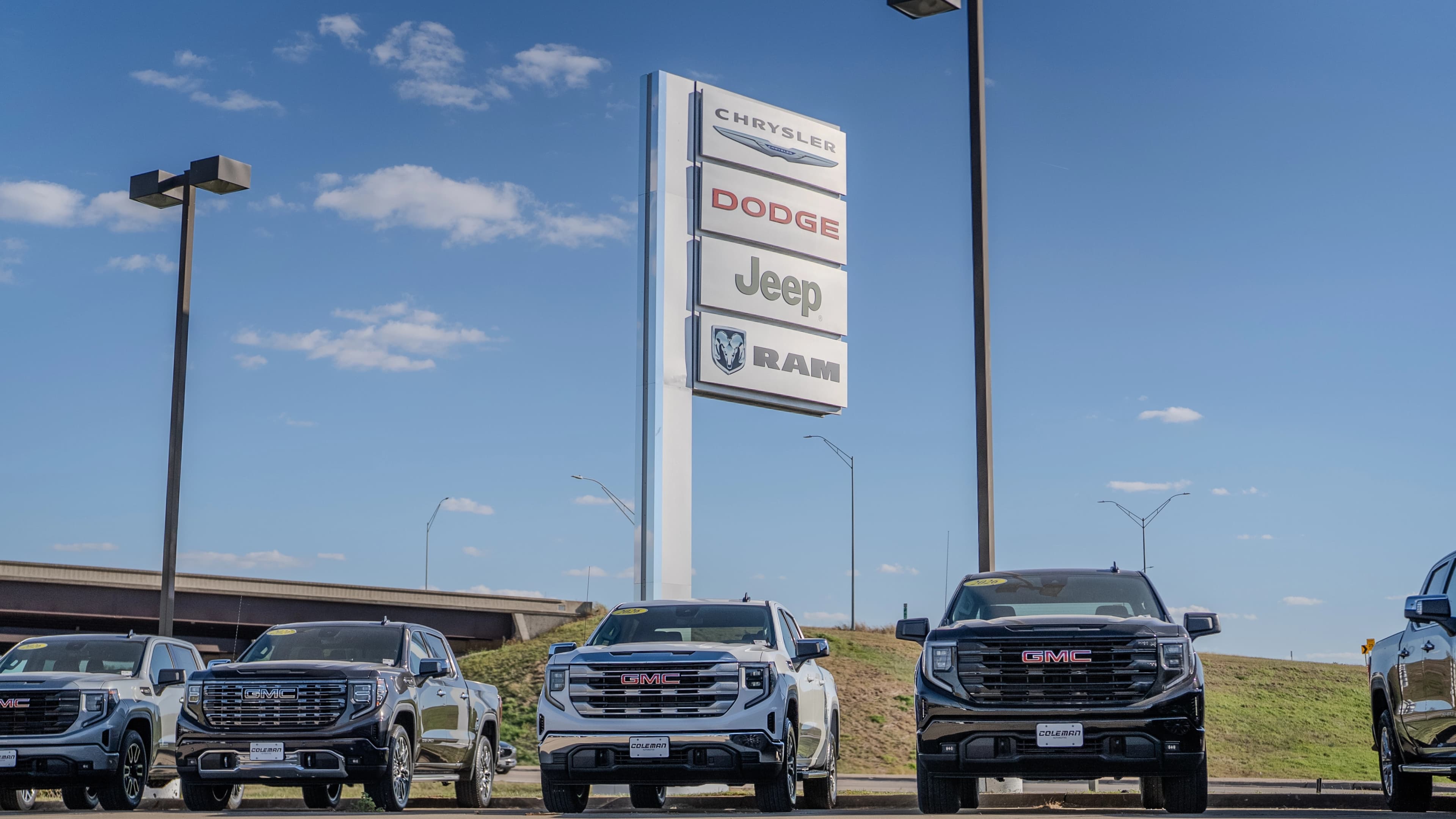
New inventory, service appointments, F&I products, and parts sales generate the daily operating cash flow that funds investor distributions. Mt. Pleasant, Iowa. Photo: Sweet Dreams US LLC
Passive Income from Private Equity: How a Dealership Fund Delivers Current Yield
Most private equity locks your capital for years with no distributions. This fund is structured to deliver current income while building long-term equity value.
The appeal of private equity has always been the promise of outsized returns. The frustration of private equity has always been the wait. Traditional private equity structures deploy investor capital into acquisitions, hold those assets through a multi-year value creation period, and return capital — with gains, if things go well — at exit. During the hold period, which can stretch from five to ten years, the investor receives nothing. Their capital is locked. Their portfolio shows an unrealized gain on paper. And their actual bank account reflects the same balance it did the day they wrote the check.
For accredited investors who need their portfolio to produce current income — to fund retirement expenses, to cover commitments, or simply to demonstrate that their capital is working — the traditional private equity model creates a structural mismatch between the investment timeline and their cash flow needs. They want private equity returns. They need passive income. And most private equity structures force them to choose one or the other.
Prime Dealer Equity Fund was designed to resolve that tension. The fund structure delivers both current yield through a targeted 8% annual preferred distribution and long-term equity upside through a 35% residual ownership stake. The mechanism that makes this possible is the operational nature of the underlying assets: car dealerships generate daily revenue from four distinct business lines, producing the consistent cash flow required to fund current investor distributions while simultaneously building enterprise value.
Why Dealerships Can Pay Current Distributions
The ability to deliver current yield from private equity depends entirely on the cash flow characteristics of the underlying assets. A venture capital fund investing in pre-revenue startups has no operational cash flow to distribute. A real estate development fund building new projects generates no income until the project is completed and stabilized. Even many buyout funds invest in businesses that require years of restructuring before they produce distributable cash flow.
A franchised car dealership is an operating business from day one. It opens its doors every morning and generates revenue from multiple sources: new vehicle sales with F&I back-end, used vehicle sales and reconditioning, service appointments and warranty work, and parts sales to retail and wholesale customers. This revenue is not projected. It is measured in daily operating reports, weekly P&L summaries, and monthly financial statements that the fund manager reviews as part of ongoing portfolio oversight.
The operational cash flow generated by the dealerships in the Coleman Automotive portfolio is the source of investor distributions. It is not derived from asset sales, refinancing events, or accounting adjustments. It comes from customers driving their vehicles into service bays, purchasing cars from the showroom floor, and buying F&I products at the point of sale. This operational foundation is what differentiates a dealership fund from private equity structures that cannot deliver current income because the underlying assets do not produce any.
Current Yield Without Sacrificing Long-Term Value
A common concern among investors evaluating current-yield private equity is that distributions come at the expense of long-term value creation. If the fund is paying out cash to investors, is it starving the underlying business of the capital it needs to grow? In many structures, this is a legitimate concern. But the dealership model addresses it through the retained earnings flywheel.
The fund’s distribution waterfall is structured to ensure that investor distributions are prioritized, but the operational cash flow from a well-run dealership is sufficient to fund distributions and retain earnings for future growth. The retained earnings accumulated within the holding company provide the equity capital for subsequent acquisitions, meaning the portfolio expands without requiring additional capital raises and without reducing the distributions to existing investors.
This dual-track model — current yield from operating cash flow plus long-term appreciation from portfolio growth — is the structural reason Prime Dealer Equity Fund can offer accredited investors what most private equity vehicles cannot: passive income during the hold period, capital protection through hard asset backing, and equity upside from an expanding portfolio of recession-resistant businesses. For investors who have been told they must choose between current income and private equity returns, the dealership fund model demonstrates that the choice is a false one — provided the underlying assets generate the right kind of cash flow.
Prime Dealer Equity Fund is a private equity vehicle co-investing with Coleman Automotive Group in the acquisition and optimization of automotive dealerships across the United States.
For qualified investor inquiries:
→ Contact our investor relations team