
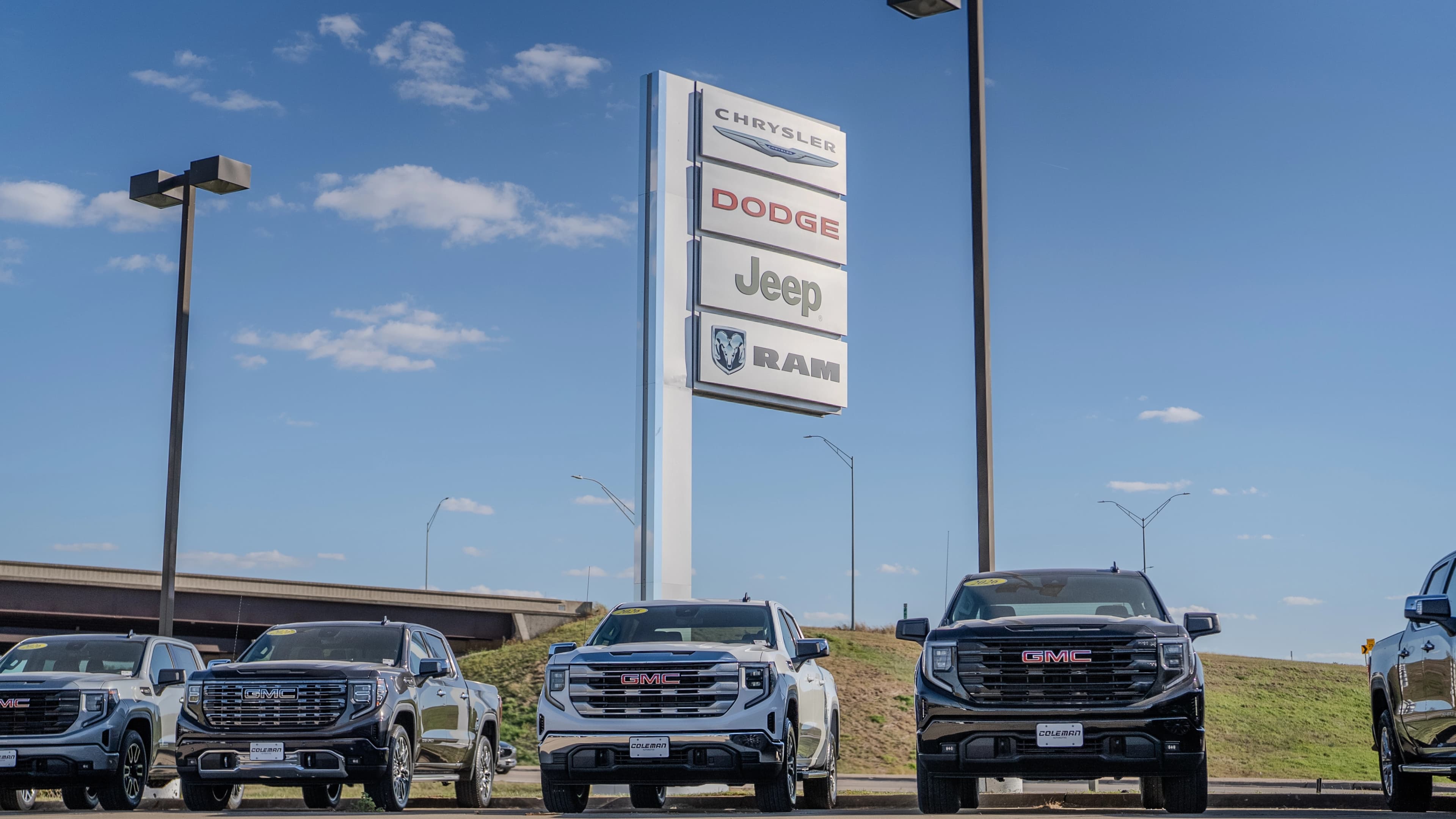
A franchised dealership lot — a hard asset that performs across the economic cycle. Photo: Sweet Dreams US LLC
Recession-Proof Investments: Why Auto Dealerships Thrive
Discover why auto dealerships are stable, recession-proof investments. Learn about their unique revenue streams and economic resilience in any market condition.
Investors often chase the highest highs. They look for the next tech unicorn or the hottest crypto swing. That strategy works until the market turns. True wealth preservation requires a different approach. It demands assets that perform regardless of the economic climate. This is what we call an “all-weather” strategy. While many look to gold or government bonds for safety, smart money is quietly moving into a sector that combines real estate security with operational cash flow.
Engineered for Economic Resilience of Car Dealerships
The concept of economic resilience is often tossed around loosely in the investment world. However, the economic resilience of car dealerships is based on structural necessity rather than speculative value. In the United States, personal transportation is not a luxury. It is a requirement for the vast majority of the workforce. This fundamental need creates a baseline of demand that persists even during severe economic downturns.
When consumer confidence is high, buyers flock to the showroom for the latest models. During a recession, that behavior shifts, but it does not disappear. Instead of buying new, consumers hold onto their existing vehicles longer. This necessitates more repairs and maintenance. Consequently, the dealership's revenue focus shifts from the front of the house to the service bays. This natural hedge is built directly into the business model.
The Absorption Rate Factor
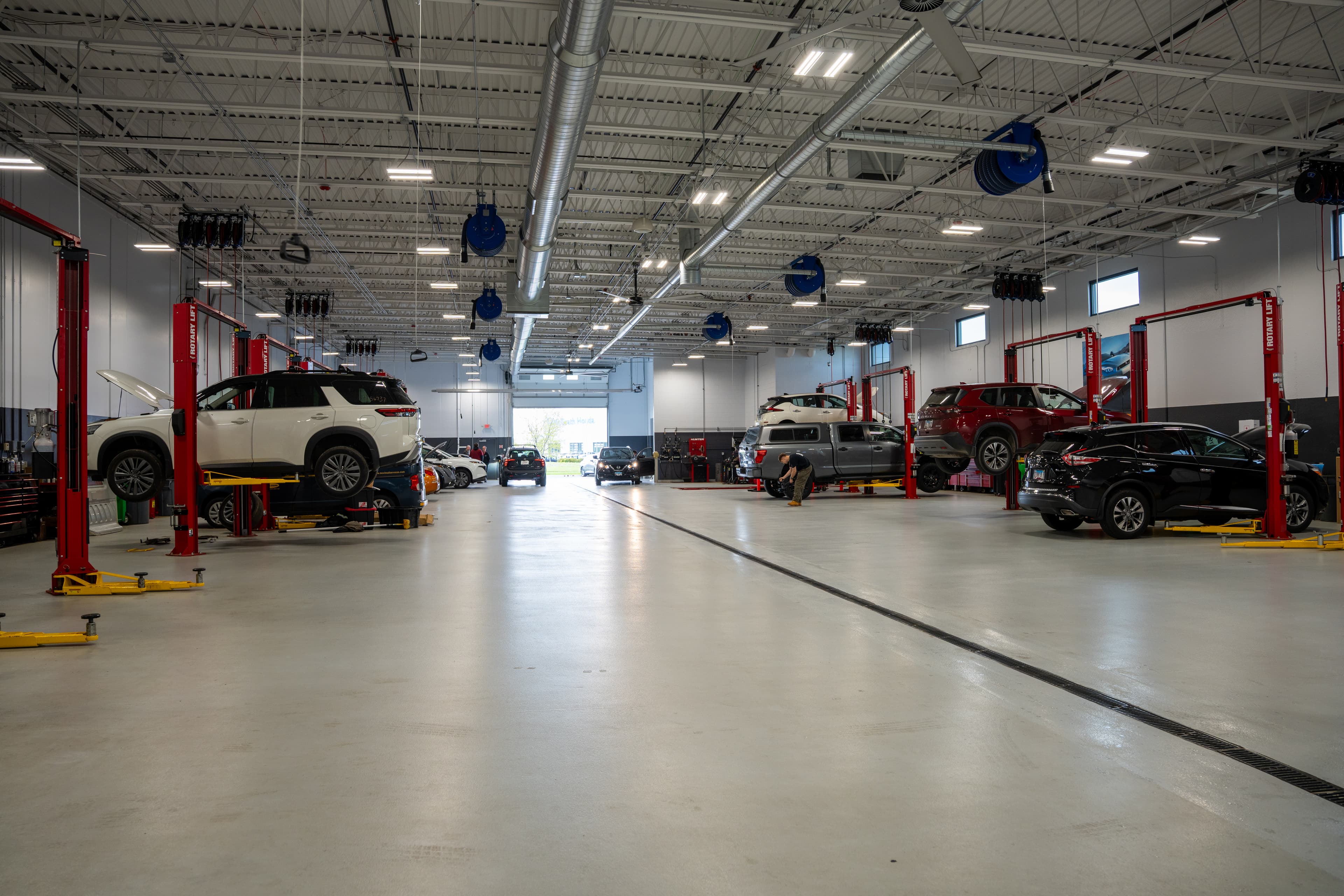
One of the most critical metrics in this industry is the absorption rate. This measures how much of the dealership's fixed costs are covered by the gross profit from the service and parts departments alone. Top-performing dealerships aim for an absorption rate of 100%. This means that even if they do not sell a single car in a month, the lights stay on, and the rent is paid purely through service revenue. This creates a floor for risk that few other private equity investments can match.
Power of Diversified Revenue Streams Through Stable Alternative Investments
To understand why dealerships are stable alternative investments, you must look at how they generate cash. A dealership is effectively four or five distinct businesses operating under one roof. If one revenue stream falters, the others typically pick up the slack. This diversification within a single asset protects the investor from sector-specific shocks.
By the Numbers
The Four Revenue Engines of a Dealership
New Vehicle Sales — the most visible part of the business; while margins can be thin on the unit itself, these sales feed the other departments by putting vehicles on the road that will eventually need service.
Used Vehicle Sales — often commands higher margins than new car sales and is highly responsive to market conditions; in tough economic times, demand here surges as buyers look for value.
Fixed Operations (Service and Parts) — the economic engine of the dealership, providing high-margin, recurring revenue that is recession-resistant because maintenance is rarely optional for commuters.
Finance and Insurance (F&I) — generates profit through financing arrangements, extended warranties, and insurance products, acting as a significant multiplier on the profitability of every vehicle sold.
Strategic Importance of Fixed Ops
Investors should pay special attention to Fixed Operations. In many cases, this department accounts for half of a dealership's total gross profit. It provides the steady cash flow that allows the sales departments to be aggressive in capturing market share. It creates a recurring revenue loop that transforms a one-time buyer into a lifetime customer.
Real Estate as the Anchor
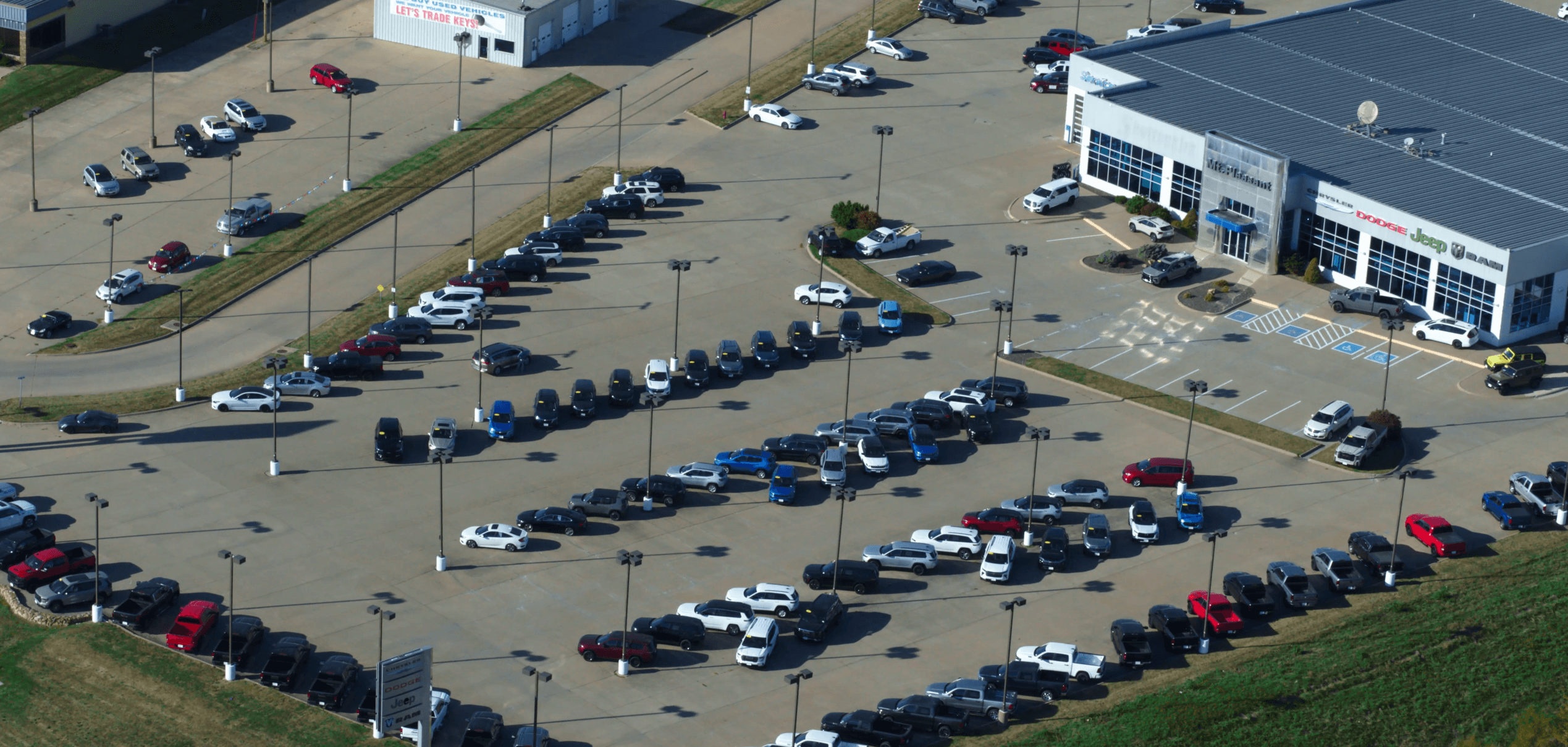
While the operational cash flow is attractive, the underlying asset provides a layer of security that appeals to accredited investors focused on capital preservation. Auto dealerships typically occupy prime commercial real estate. These are high-visibility locations with significant acreage, often situated near major highways or in dense retail corridors.
Zoning and Barriers to Entry
The value of this real estate is protected by significant barriers to entry. Zoning laws for auto dealerships are notoriously strict. Local municipalities rarely approve new dealership rows, meaning the existing locations hold an oligopolistic position in their local market. This scarcity value protects the investment from dilution.
Unlike an office building that can sit empty if a tenant leaves, a dealership property is a specialized facility. However, the land itself retains immense residual value due to its location. If the business model were to ever fundamentally change, the dirt underneath the dealership remains a high-value asset suitable for redevelopment. This dual layer of value, business operations plus prime real estate, solidifies the dealership as a cornerstone for recession-proof investments.
Building a Fortified Portfolio
Market volatility is inevitable. The cycle will always turn. The investors who survive and thrive are those who position themselves in assets that provide essential services. Auto dealerships represent a convergence of necessity, real estate security, and operational adaptability. They are not reliant on a single economic trigger to succeed. Instead, they leverage a balanced ecosystem where service supports sales and sales feed service. For the accredited investor seeking to move beyond speculation, this asset class offers a compelling path to stability.
Prime Insight
Prime Dealer Equity Fund gives accredited investors access to institutional-quality automotive dealership investments — combining hard-asset real estate security with high-margin operating cash flow.
Connect with our team to learn how the fund fits your portfolio.
Prime Dealer Equity Fund is a private equity vehicle co-investing with Coleman Automotive Group in the acquisition and optimization of automotive dealerships across the United States.
For qualified investor inquiries:
→ Contact our investor relations team