
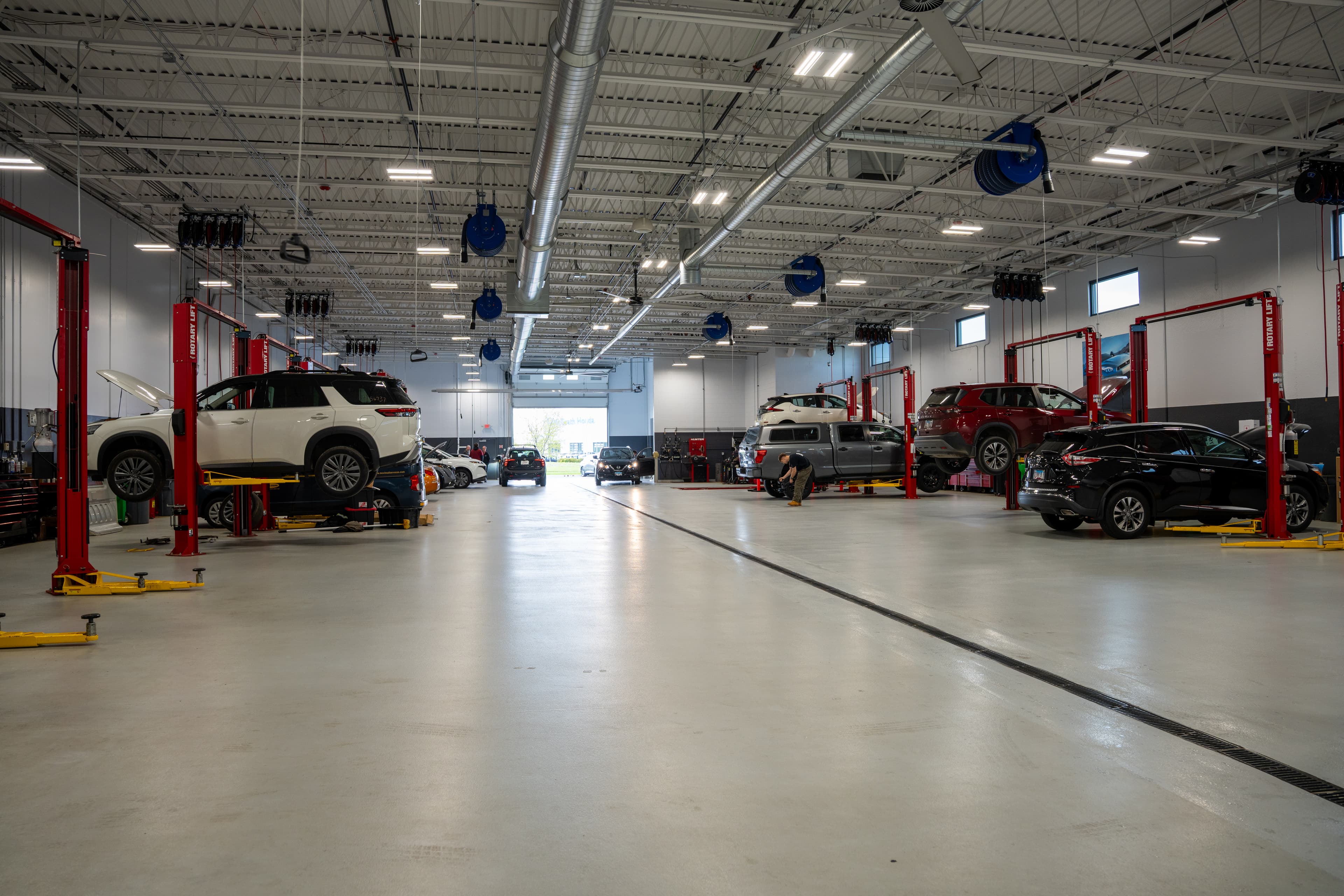
A dealership's service department is a high-margin, recession-resistant cash flow engine — the closest thing in the business to a triple-net tenant that can never leave. Photo: Sweet Dreams US LLC
From Syndication to Service Bays: A Real Estate Investor's Guide to the Private Equity Auto Dealership Model
A guide for real estate investors. See how the private equity model for auto dealerships compares to syndication and why service bays offer superior cash flow.
As an accredited real estate investor, you are fluent in the language of syndication. You understand the structure of a deal, the relationship between a General Partner (GP) and a Limited Partner (LP), and the mechanics of a waterfall. You have seen how pooling capital allows you to take a passive stake in a large-scale asset, like an apartment complex or an office building, that you could not acquire on your own. This model is powerful, but it is almost exclusively tied to a passive real estate structure.
The Syndication Model vs. The Private Equity Fund
In real estate, a syndication is typically formed to acquire a single asset. You invest in the "123 Main Street Apartments." Your risk and reward are tied directly to that one property, in that one submarket. The sponsor's job is to increase NOI, manage tenants, and hopefully sell for a profit.
The auto dealership model is fundamentally different. You are not just buying a building, you are buying a complex, multi-million dollar operating enterprise. This requires a more robust structure.
Single Asset vs. Operating Enterprise: A real estate investment is passive. You collect rent. An auto dealership is an active business with four distinct, high-margin profit centers: new car sales, used car sales, finance and insurance (F&I), and the service and parts department. Each of these requires deep, specialized operational expertise to maximize.
Property Manager vs. Expert Operator: In real estate, the GP is a property manager. In a private equity auto fund, the GP is a proven automotive operator. Their team does not just collect rent, they optimize inventory turn, manage relationships with global manufacturers (OEMs), and implement sophisticated marketing strategies. This is a level of hands-on management far beyond any real estate syndication.

Why the Service Bay is Your New Triple-Net Lease
Real estate investors love the "triple-net" (NNN) lease. It is the gold standard of passive income. A credit-worthy tenant, like a national pharmacy, signs a 20-year lease and agrees to pay all taxes, insurance, and maintenance. You, the owner, simply collect a check. It is predictable and stable.
Now, consider the auto dealership's service department.
From the Floor
“A dealership's service and parts department functions as a high-margin, non-cyclical "tenant" that is permanently anchored to the business. Every car that dealership sells for years becomes a recurring, high-margin customer for maintenance, recalls, and repairs.”
— Prime Dealer Equity Fund
This service bay is, in many ways, superior to a NNN lease.
It Is Non-Cyclical
People defer buying new cars in a recession, but they do not defer critical repairs. The service department provides a consistent, durable cash flow stream that is resistant to economic downturns.
It Has Built-In Growth
A NNN lease has fixed, 2% annual rent bumps. A service department's revenue naturally grows as the dealership sells more cars, as the total number of that brand's vehicles in the area increases, and as parts and labor rates rise with inflation.
It Is a Protected Business
You cannot open a competing "Toyota" service center across the street. The OEM franchise agreement grants an exclusive right to perform warranty work, protecting this revenue stream from competition.
By the Numbers
The Service Bay vs. The Triple-Net Lease
Non-Cyclical — People defer buying new cars in a recession, but they do not defer critical repairs, so service revenue stays durable through downturns.
Built-In Growth — Unlike a NNN lease's fixed 2% rent bumps, service revenue grows as the dealership sells more cars and as parts and labor rates rise with inflation.
Protected Business — The OEM franchise agreement grants an exclusive right to perform warranty work, so no competitor can open a competing brand service center across the street.
The Power of a Fund: Diversification and Expertise
This operational complexity is precisely why the fund model is the only logical way for a passive investor to participate. A single-deal syndication for one dealership would carry immense, concentrated risk.
Expertise at Scale
A private equity fund, like Prime Dealer Fund, provides a platform of professional operational expertise. This team understands the automotive business from the inside out. They manage the complex relationships with OEMs, secure favorable financing for inventory, and implement best-in-class processes in the F&I office. This operational alpha is what drives returns, and it is impossible for a passive LP to replicate.
True Portfolio Diversification
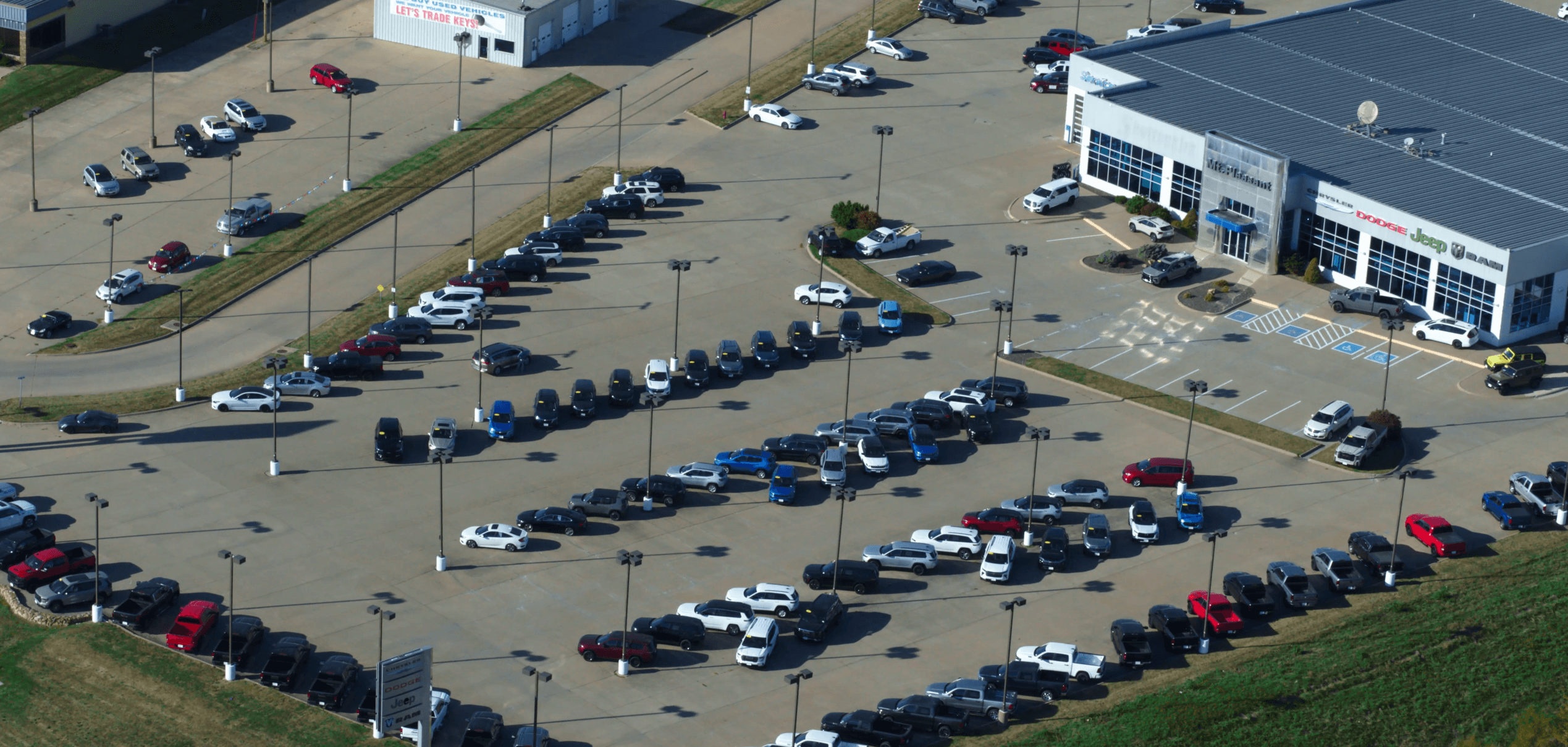
A fund does not just buy one dealership. It acquires a portfolio of "rooftops," diversifying your investment across multiple brands, multiple geographies, and multiple management teams. This is a foundational principle of risk management. A single real estate syndication ties your fate to one building in one city. An auto dealership fund mitigates this risk, ensuring that a slowdown in one market or with one brand is balanced by the strength of the others.
For the real estate investor, the move from syndication to a private equity auto fund is a logical step. It takes the passive structure you are comfortable with and applies it to a more dynamic, protected, and operationally-driven asset. You are no longer just collecting rent from a building. You are partnering with expert operators to profit from a high-margin, recession-resistant business ecosystem.
Prime Insight
Prime Dealer Equity Fund gives accredited investors access to institutional-quality automotive dealership investments — combining hard-asset real estate security with high-margin operating cash flow.
Connect with our team to learn how the fund fits your portfolio.
Prime Dealer Equity Fund is a private equity vehicle co-investing with Coleman Automotive Group in the acquisition and optimization of automotive dealerships across the United States.
For qualified investor inquiries:
→ Contact our investor relations team