

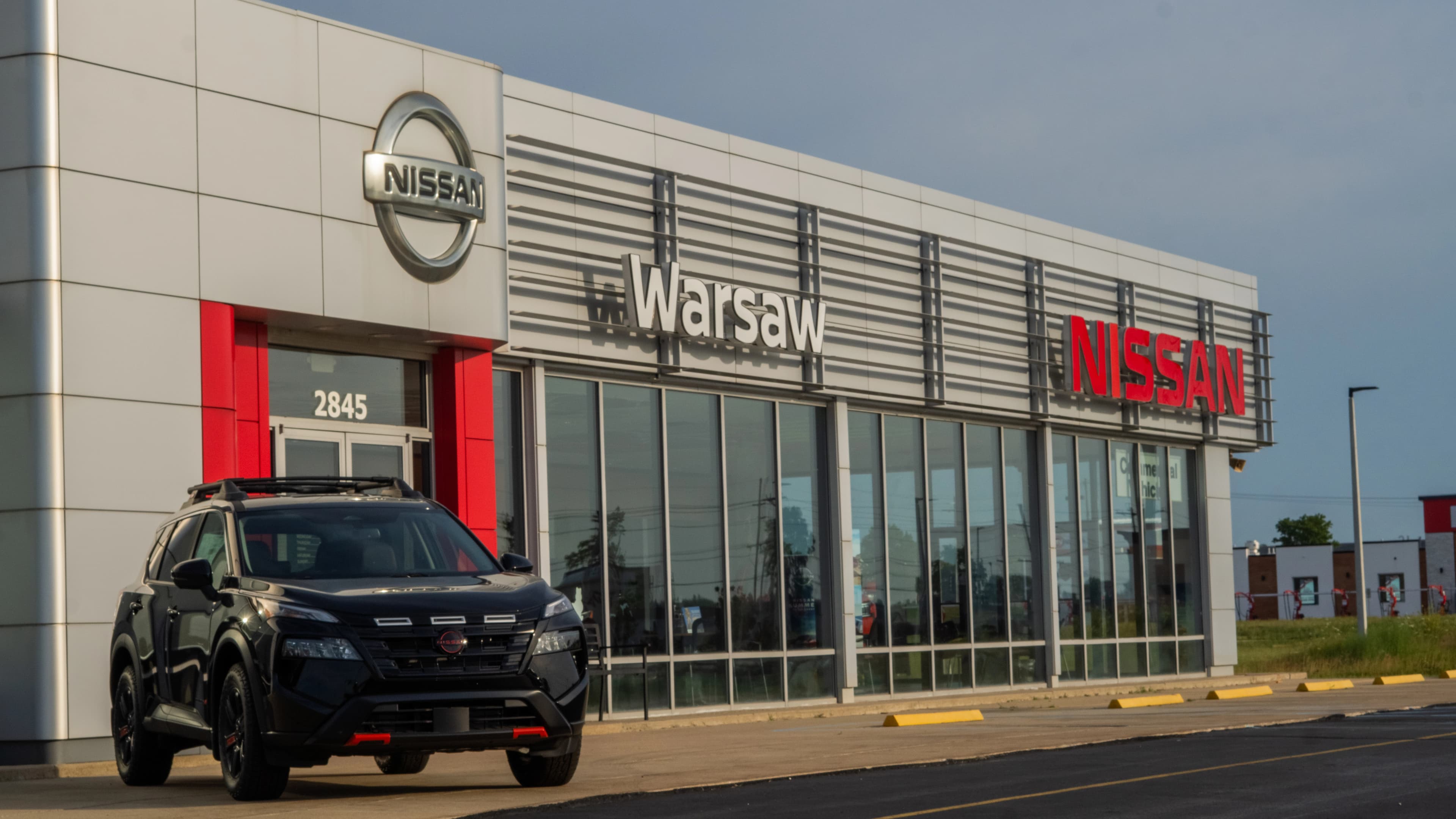
An auto dealership blends real estate security with operational cash flow. Photo: Sweet Dreams US LLC
Why Auto Dealership Investments Are a Top Alternative Asset Class
Discover why auto dealership investments are the smart choice for portfolio diversification strategy. Unlock stability with non-correlated assets today.
For many accredited investors, the current economic landscape feels like navigating a ship through a dense fog. The stock market, historically a primary engine for wealth generation, has become increasingly susceptible to rapid sentiment shifts and global instability. You might find yourself staring at your portfolio, realizing that your exposure to public markets is uncomfortably high. This is where the search for a robust portfolio diversification strategy begins.
While commercial real estate and private equity are standard go-to options, there is a specialized niche that often flies under the radar: auto dealership investments. This asset class offers a unique blend of real estate security and operational cash flow. It is a sector defined by high barriers to entry and protected territories, yet it remains accessible through the right private equity partners.
The Power of Non-Correlated Assets in a Volatile Market
One of the greatest dangers to a high-net-worth portfolio is correlation. When interest rates rise or geopolitical tensions flare, traditional asset classes often move in lockstep. Stocks dip, bonds fluctuate, and liquidity tightens simultaneously. This is why non-correlated assets are vital. They function independently of the broader market’s emotional swings. Auto dealerships operate on a different frequency entirely. The demand for personal transportation in the United States is fundamental.
By the Numbers
Why Dealerships Move Independently of Wall Street
Local Economic Drivers — a dealership’s success is tied to its local community and demographic growth rather than global supply chain rumors or tech sector valuation corrections.
Essential Utility — regardless of what the NASDAQ does, people still need to get to work, take kids to school, and transport goods; the vehicle is the tool that makes the American economy function.
By allocating capital into this sector, you are effectively hedging against the systemic risks that plague public markets. You are investing in a physical, operational business with concrete value rather than speculative future earnings.
The Fixed Operations Safety Net
New investors in this space often make the mistake of assuming a car dealership is solely a retail business. They imagine the showroom floor and the sales team as the primary revenue drivers. However, the true genius of the auto dealership model lies in “Fixed Operations,” or the service and parts departments. This is what separates dealership investments from other retail or commercial real estate ventures.
Recession Resistance
During economic downturns, consumers may delay purchasing a new vehicle. However, this decision forces them to maintain their current vehicle for longer. As cars age, they require more service, repairs, and parts. Consequently, the revenue from the service bay often increases when new car sales decrease. This counter-cyclical nature provides a built-in hedge that few other industries possess.
The Absorption Rate
In the industry, we look for a high “absorption rate.” This metric indicates how much of the dealership’s operating expenses are covered solely by the profit from the service and parts departments. A well-run store can often cover 100% of its overhead without selling a single car. That is a level of operational security that is virtually unheard of in standard retail or tech startups.

High Barriers to Entry Protect Your Investment
If you wanted to open a coffee shop or a boutique clothing store, you could likely sign a lease and open your doors within a few months. This low barrier to entry means competition is fierce and constant. Auto dealerships are protected by a completely different set of rules. Franchise laws and manufacturer restrictions create a “moat” around the business that protects existing owners and investors.
Manufacturers like Ford, Toyota, or Honda limit the number of franchises in a specific geographic area. They do not allow a new dealership to simply pop up next door to an existing one. This grants the dealership a protected territory, essentially a local monopoly for that specific brand.
State franchise laws play a major role as well. Almost every state has strict laws regulating the sale of automobiles, which further restricts direct competition and protects the franchise owner’s rights. Capital requirements add another layer: the sheer capital required to acquire the land, build the facility to manufacturer standards, and stock the inventory prevents casual competitors from entering the market.
For the investor, these barriers are a significant advantage. They ensure that the asset you are investing in has inherent scarcity value. You are not just buying a business; you are securing a protected piece of the economic infrastructure.
Securing Future Wealth Through Strategic Allocation in Alternative Asset Classes
Building a resilient portfolio requires the courage to look where others are not. While the masses chase the latest tech unicorn or crowd into over-saturated multifamily real estate deals, the astute investor recognizes the quiet, consistent power of alternative asset classes like auto dealerships. This sector offers a rare combination of cash flow, real estate appreciation, and recession-resistant operational structures.
By incorporating auto dealership investments into your broader strategy, you gain exposure to an industry that is woven into the fabric of American life. It is a move away from volatility and toward stability. As you evaluate your next capital allocation, consider the assets that keep the country moving. That is where true long-term value resides.
Prime Insight
Prime Dealer Equity Fund gives accredited investors access to institutional-quality automotive dealership investments — combining hard-asset real estate security with high-margin operating cash flow.
Connect with our team to learn how the fund fits your portfolio.
Prime Dealer Equity Fund is a private equity vehicle co-investing with Coleman Automotive Group in the acquisition and optimization of automotive dealerships across the United States.
For qualified investor inquiries:
→ Contact our investor relations team